
Support for OCD
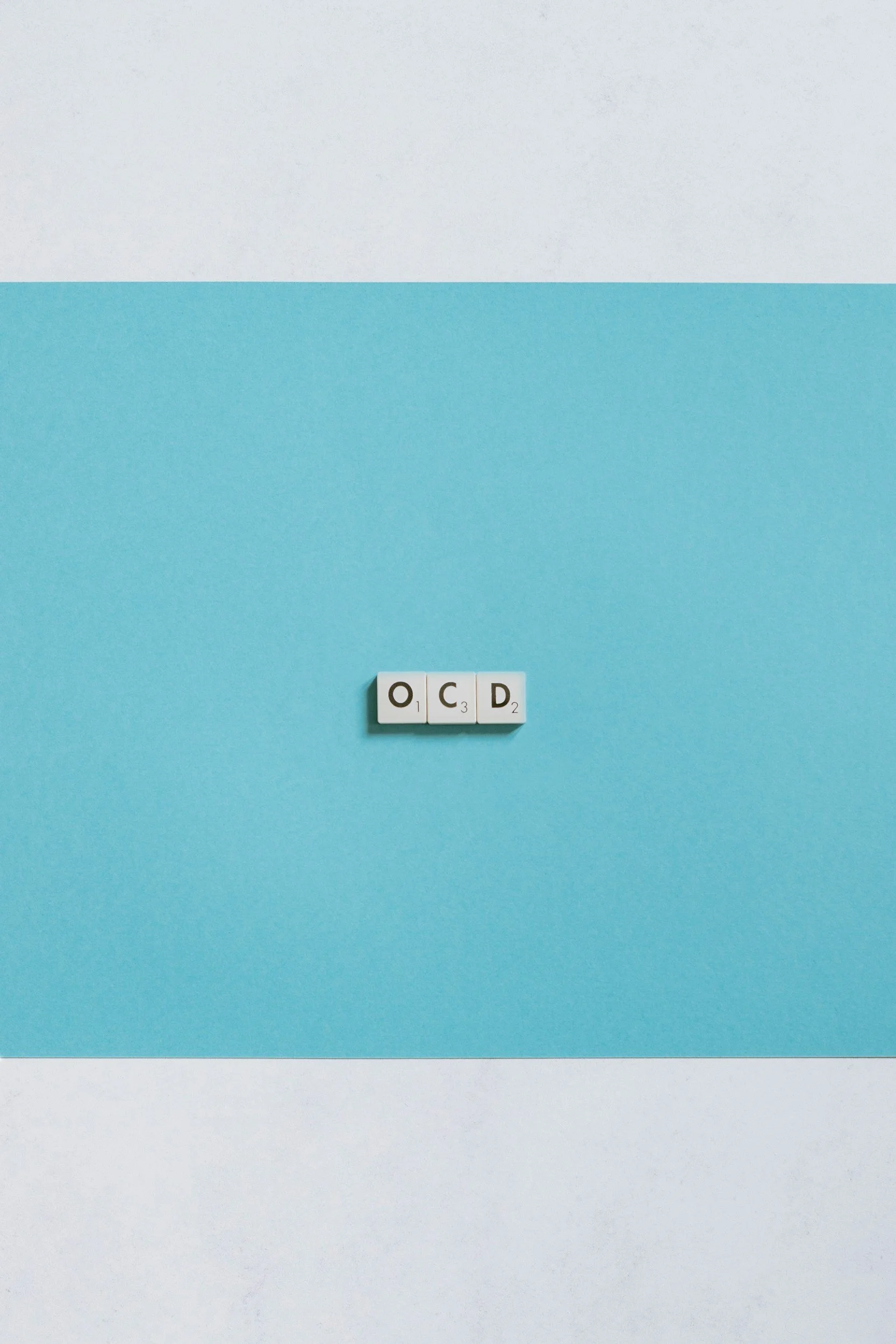
OCD isn’t a neatness quirk. It feels like being trapped in a constant highlight reel of your worst nightmare.
OCD is one of the most misunderstood mental health conditions out there — and also one of the most treatable, with the right support. If you've been living with intrusive thoughts, compulsions that feel impossible to resist, and a growing list of things you avoid just to manage your anxiety, you know how exhausting it is. You may have tried to explain it to people who didn't understand. You may have wondered if you're a bad person for the thoughts you have. You're not.
OCD lies. We help you stop believing it.
-
OCD presents in many ways beyond the stereotypes of handwashing and symmetry:
Intrusive, unwanted thoughts that feel disturbing or shameful
Compulsions to check, count, reassure yourself, or mentally review events
'Pure O' — obsessions with no visible compulsions (but plenty of hidden mental ones)
Religious or moral scrupulosity
Harm OCD, relationship OCD (ROCD), or health anxiety
Avoidance of situations, people, or objects that trigger obsessions
Hours lost each day to obsessive thinking or compulsive rituals
-
We use the gold-standard treatments for OCD: Exposure and Response Prevention (ERP) and Inference-Based CBT (I-CBT). ERP works by helping you gradually face feared situations without engaging in compulsions, which over time teaches your brain that the feared outcome isn't as dangerous as OCD says it is. I-CBT is particularly useful when the obsessions are heavily rooted in distorted reasoning and 'what if' thinking rather than fear alone.
We also take a neurodiversity-affirming lens to OCD treatment. Many of our clients carry both an OCD diagnosis and an ADHD or autism diagnosis, and we know how to adapt treatment accordingly — because ERP looks different when you're also working with an ADHD brain.
-
We work with adults 18+ experiencing OCD in any of its presentations. We see clients in person at our Green Bay and Appleton offices, and via telehealth anywhere in Wisconsin.